
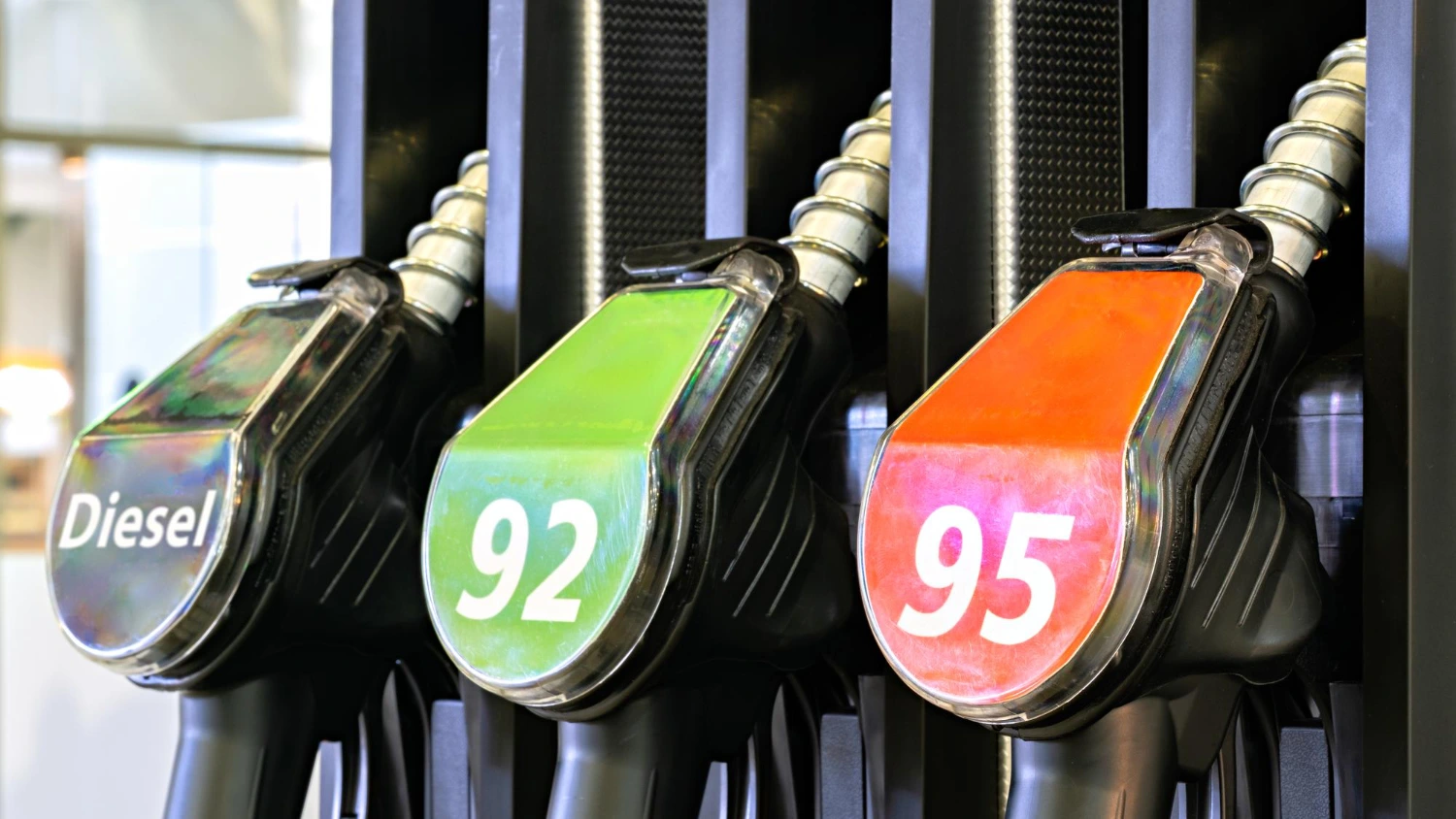
Fuel prices in the Philippines have a way of creeping into everyday conversations. Whether you are a daily commuter, a ride-hailing driver, or someone managing a household budget, even a small increase can ripple through your expenses. For many Filipinos, fuel is no longer just a transport cost. It has become a key factor in financial planning.
In the country, fuel price adjustments follow a predictable rhythm. Oil companies announce changes every Monday, with new prices taking effect every Tuesday at midnight. These weekly movements are influenced by global and local factors, which means prices can rise or fall with little notice.
This page is designed to keep you informed. It provides a regularly updated snapshot of the latest gas price in the Philippines today, based on official data from the Department of Energy (DOE), along with practical insights to help you manage rising fuel costs.
Source: Department of Energy (DOE)
Key Observations for April 2026:
1. The Big Rollback: President Marcos confirmed a "big-time" rollback effective April 14, 2026, aiming to provide relief after gasoline prices reached record highs in early April, with diesel nearing ₱130-₱140+ per liter in some areas.
2. Initial Estimates: The estimated rollback for April 14 is ₱20.89 for diesel and ₱4.43 for gasoline, though these are projected to change slightly based on final trading days.
3. Market Context: The steep increases in early April were driven by escalating tensions in the Middle East, with projections for late March/early April showing a net increase for the year.
Keeping track of these weekly changes helps you anticipate spending and plan your refueling strategy more effectively.
Fuel prices in the country are not fixed by the government. Instead, they are determined through the Automatic Pricing Mechanism (APM), which reflects real-time global market conditions.
At the core of pricing is the Mean of Platts Singapore (MOPS), a regional benchmark that tracks refined oil prices. Since the Philippines imports most of its fuel, international price movements directly affect local pump prices.
Several components make up the final retail price:
Product cost based on MOPS serves as the base. Importation costs are added due to shipping and logistics. Excise taxes, introduced and increased under the TRAIN Law, significantly contribute to the total. On top of that, a 12 percent Value Added Tax (VAT) is applied.
Biofuel blending is also required by law, such as coconut methyl ester for diesel and ethanol for gasoline. Finally, oil companies include their marketing, distribution, and dealer margins.
All of this operates under the Oil Deregulation Law, or Republic Act No. 8479, which allows oil companies to adjust prices based on market forces.
Fuel prices are shaped by a mix of global and local influences. International crude oil benchmarks like Brent and Dubai crude play a major role. When global supply tightens or demand increases, prices rise.
Exchange rates also matter. Since oil is traded in US dollars, a weaker peso makes fuel more expensive locally. Events such as geopolitical tensions in oil-producing regions or production cuts by OPEC can quickly impact prices.
Closer to home, typhoons can disrupt fuel distribution, while port congestion may delay supply. Government policies, particularly taxes and biofuel mandates, also influence the final cost at the pump.
Choosing the right fuel is not just about price. It is about compatibility with your vehicle.
RON91 and RON95 refer to octane ratings. Higher octane fuels like RON95 (also know as premium) are designed for engines with higher compression ratios. However, this does not mean they are better for all cars. If your vehicle is designed for RON91, using RON95 will not significantly improve performance and may only increase costs.
The best approach is simple: follow your owner’s manual.
Diesel, on the other hand, is commonly used in SUVs, trucks, and commercial vehicles. It is generally more fuel-efficient for long-distance travel and is aligned with Euro 4 or Euro 5 emission standards in the Philippines.
Many drivers wonder if switching brands or mixing fuel types is safe.
Mixing fuel brands such as Petron, Shell, or Caltex is generally fine, as all fuels meet government standards. Mixing RON91 and RON95 is also acceptable if your vehicle supports both.
However, one rule is absolute: never mix diesel and gasoline. Doing so can cause severe engine damage and costly repairs.
Fuel is often one of the top monthly expenses for Filipino car owners, sometimes ranking second or third after housing and food. When diesel price Philippines or gasoline prices rise, the impact goes beyond the gas station.
For borrowers, higher fuel costs can reduce the amount of money available for loan repayments. This can affect everything from personal loans to car financing.
Ride-hailing drivers using platforms like Grab or Angkas feel the impact more directly, as fuel cuts into their daily earnings. Commuters are not spared either, since transport fare increases often follow fuel price hikes.
Business owners also face rising logistics and delivery costs, which can reduce profit margins or lead to higher prices for customers.
Managing fuel costs requires both awareness and discipline. Small habits can lead to meaningful savings over time.
Using fuel price tracking apps helps you monitor changes and find the cheapest stations nearby. Timing your refueling before scheduled price hikes can also make a difference.
Maintaining proper tire pressure improves fuel efficiency, especially in the Philippines’ hot climate. Avoiding excessive idling in heavy traffic and planning routes through apps like Waze or Google Maps can reduce unnecessary fuel consumption.
Regular preventive maintenance ensures your engine runs efficiently. Loyalty programs from major fuel companies and cashback credit cards can also help offset costs.
If fuel costs are becoming a long-term concern, it may be worth considering a more fuel-efficient vehicle. Many modern sedans, hatchbacks, and compact SUVs in the Philippines are designed with efficiency in mind.
While these vehicles may come with a higher upfront cost, the long-term savings on fuel can outweigh the initial investment. This is especially relevant for drivers with long daily commutes.
If you are planning to upgrade, exploring a car loan Philippines option can make the transition more manageable. LoanOnline.ph offers options tailored to different budgets and needs.
There are times when fuel expenses strain even the most carefully planned budgets. In these situations, having a financial strategy is essential.
Setting aside a small emergency fund specifically for fuel can help cushion sudden price increases. Budgeting apps can also give you a clearer picture of how much you are spending on transportation each month.
For those facing short-term cash flow issues, financial tools such as personal loans or salary loans can provide temporary relief. These options should be used responsibly, ideally as part of a broader financial plan.
If you need added flexibility, LoanOnline.ph offers loan solutions designed to help Filipinos manage real-life expenses, including rising fuel costs.
Why do fuel prices change every week in the Philippines?
Because of the deregulated oil industry, prices follow global market movements and are adjusted weekly based on international benchmarks.
What is the difference between Clean Fuel, Unioil, and the Big 3?
Independent players like Clean Fuel and Unioil often offer slightly lower prices, while major brands like Petron, Shell, and Caltex have wider station networks and loyalty programs.
Is premium gasoline worth it for my car?
Only if your vehicle requires it. Otherwise, it may not provide additional benefits.
How does the TRAIN Law affect fuel prices?
It introduced higher excise taxes on petroleum products, contributing to higher pump prices.
Can I claim fuel expenses as tax deductions?
Yes, if you are a ব্যবস owner or freelancer and the fuel is used for business purposes, subject to proper documentation and BIR rules.
Fuel prices will always be a moving target in the Philippines. While you cannot control global oil markets, you can control how you respond to them.
Staying informed through weekly updates, understanding how pricing works, and adopting smarter driving and budgeting habits can go a long way in protecting your finances. Even small adjustments can lead to meaningful savings over time.
Bookmark this page for regular updates on gasoline price Philippines and diesel price Philippines, and make it part of your weekly routine.
For more practical financial tips and flexible loan solutions, visit LoanOnline.ph and explore options designed to help you stay in control, no matter where fuel prices go next.


