
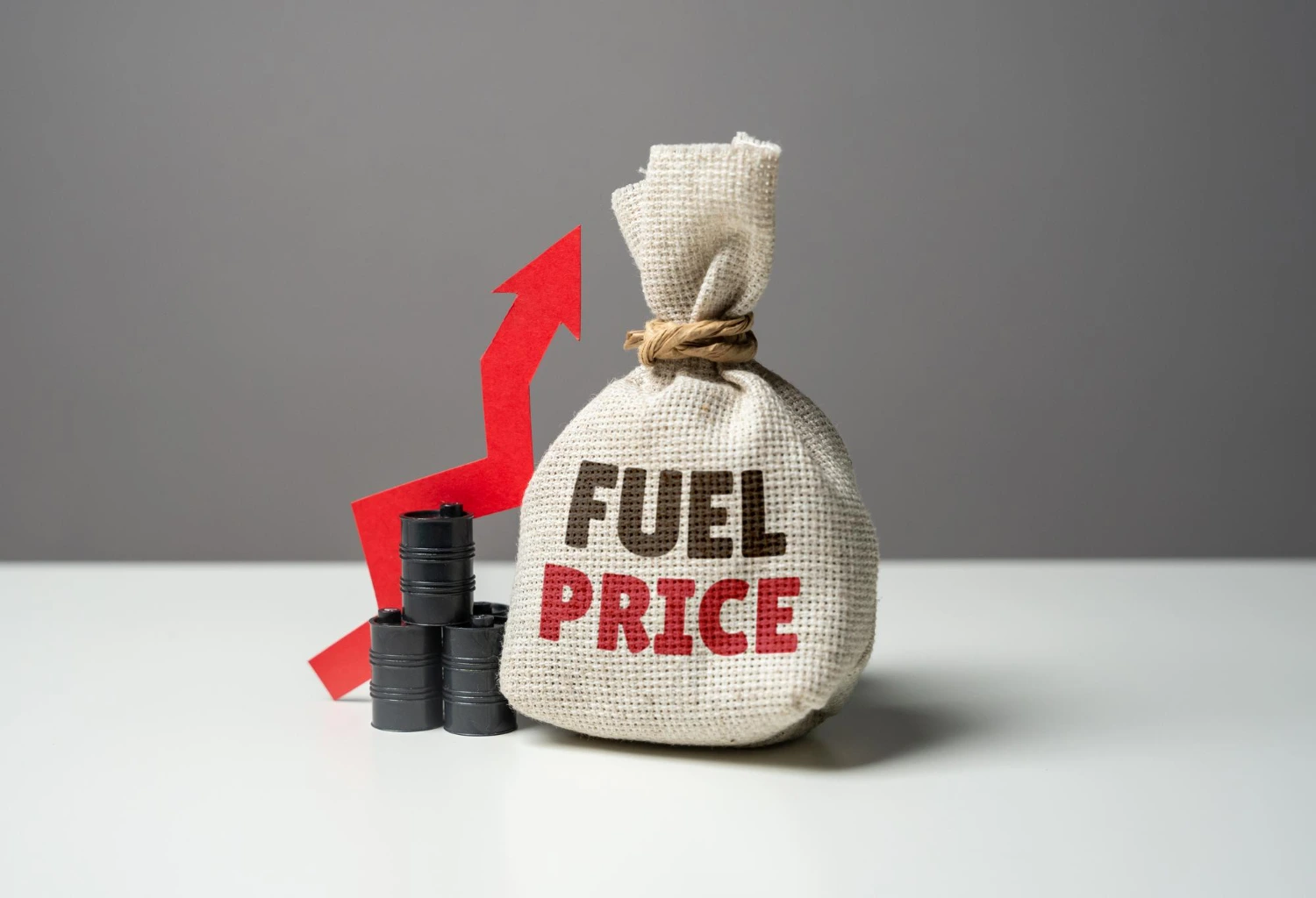
Fuel price announcements have started to feel like a weekly stress test for Filipino commuters. With fuel costs climbing for the 10th consecutive week, many drivers are watching their transportation budgets shrink. Diesel and gasoline price hikes have quietly added hundreds of pesos to monthly expenses for motorists across the country.
Behind the rising pump prices are global tensions affecting oil supply. Shipping disruptions in key routes and geopolitical instability have tightened fuel availability worldwide. Because the Philippines imports the majority of its fuel, local drivers often feel these increases almost immediately.
That’s why many commuters are now facing a tough question: Should they cut expenses—or consider taking a personal loan just to keep their vehicle running? While borrowing might feel like a quick fix, there are smarter ways to stretch your fuel budget.
This guide introduces a practical challenge: save at least ₱500 a month on fuel through simple driving and maintenance habits. Whether you drive a car, ride a motorcycle, operate a TNVS vehicle, or combine driving with public transportation, these strategies can help reduce fuel consumption and avoid unnecessary borrowing.
After all, every liter saved today is one less reason to rely on a cash loan or emergency loan tomorrow.
Fuel prices this year have been steadily climbing. Since January, gasoline prices have increased by roughly ₱6.70 per liter, while diesel prices have jumped by around ₱9.40 per liter. For drivers who commute daily, that difference can easily translate to several hundred pesos more in monthly fuel expenses.
Much of the pressure comes from global oil supply disruptions. Conflicts affecting shipping lanes in the Middle East and attacks targeting vessels in the Red Sea have forced shipping companies to reroute deliveries. Even the risk of disruption can push global oil prices higher.
The Philippines is particularly vulnerable because it imports nearly 90% of its oil supply. When global prices increase and the peso weakens against the US dollar, local fuel costs rise quickly.
Although the government has proposed subsidies worth billions of pesos for transport sectors, the assistance doesn’t fully cover the additional fuel costs for most commuters. As a result, drivers are left looking for practical ways to manage expenses on their own.
Before diving deeper into the driving strategies, here’s a quick overview of how small habits can add up to real savings.
Estimated total savings: ₱450–₱770 per month
For many drivers, these small adjustments are enough to cover a week’s worth of fuel—without needing to rely on a short-term loan.
Motorcycles are already known for their excellent fuel efficiency, but riders can stretch their mileage even further with a few practical habits.
One simple technique is switching off the engine during long stops. If you expect to wait more than 30 seconds at traffic lights or heavy congestion, turning off the engine prevents unnecessary fuel burn.
Tire pressure is another important factor. Slightly increasing tire pressure within the manufacturer’s recommended range reduces resistance on the road and improves efficiency. Checking tire pressure weekly can prevent gradual mileage loss.
Route planning also makes a difference. Many experienced delivery riders and motorcycle taxi drivers avoid steep roads and heavy traffic zones when possible. Smoother routes mean less throttle use and better fuel economy.
Finally, regular maintenance—like cleaning air filters and lubricating the chain—helps the engine run efficiently. A well-maintained motorcycle can travel farther on the same amount of fuel.
Car owners typically spend more on fuel than motorcycle riders, but they also have several opportunities to improve efficiency.
Maintaining a steady speed on highways can significantly reduce fuel consumption. When driving on expressways, using cruise control helps maintain consistent engine performance and prevents unnecessary acceleration.
Vehicle weight also plays a role. Extra items stored in the trunk—tools, sports equipment, or unused cargo—can increase fuel consumption. Removing unnecessary weight helps the engine work less.
Air-conditioning habits matter as well. Setting the AC around 24°C, using recirculation mode, and parking in shaded areas reduce the cooling workload. When the cabin starts cooler, the vehicle consumes less fuel maintaining a comfortable temperature.
Another helpful habit is anticipatory driving—observing traffic ahead and slowing down gradually instead of braking suddenly. This smoother driving style improves fuel efficiency and reduces wear on the vehicle.
Fuel price increases may be driven by global events, but drivers still have control over how efficiently they use every liter. Small habits—like maintaining tire pressure, driving smoothly, and stacking fuel rewards—can easily add up to ₱500 or more in monthly savings.
Over a year, that’s roughly ₱6,000 saved, enough to handle unexpected transportation costs without needing to take out a personal loan or emergency loan.
If fuel prices continue rising, the smartest strategy isn’t borrowing more—it’s making your fuel budget work harder. Even one small change this week can start building meaningful savings over time.
For drivers who want to estimate their potential savings, tools like the fuel cost calculator from LoanOnline.ph can help visualize how much smarter driving habits could save each month.


