
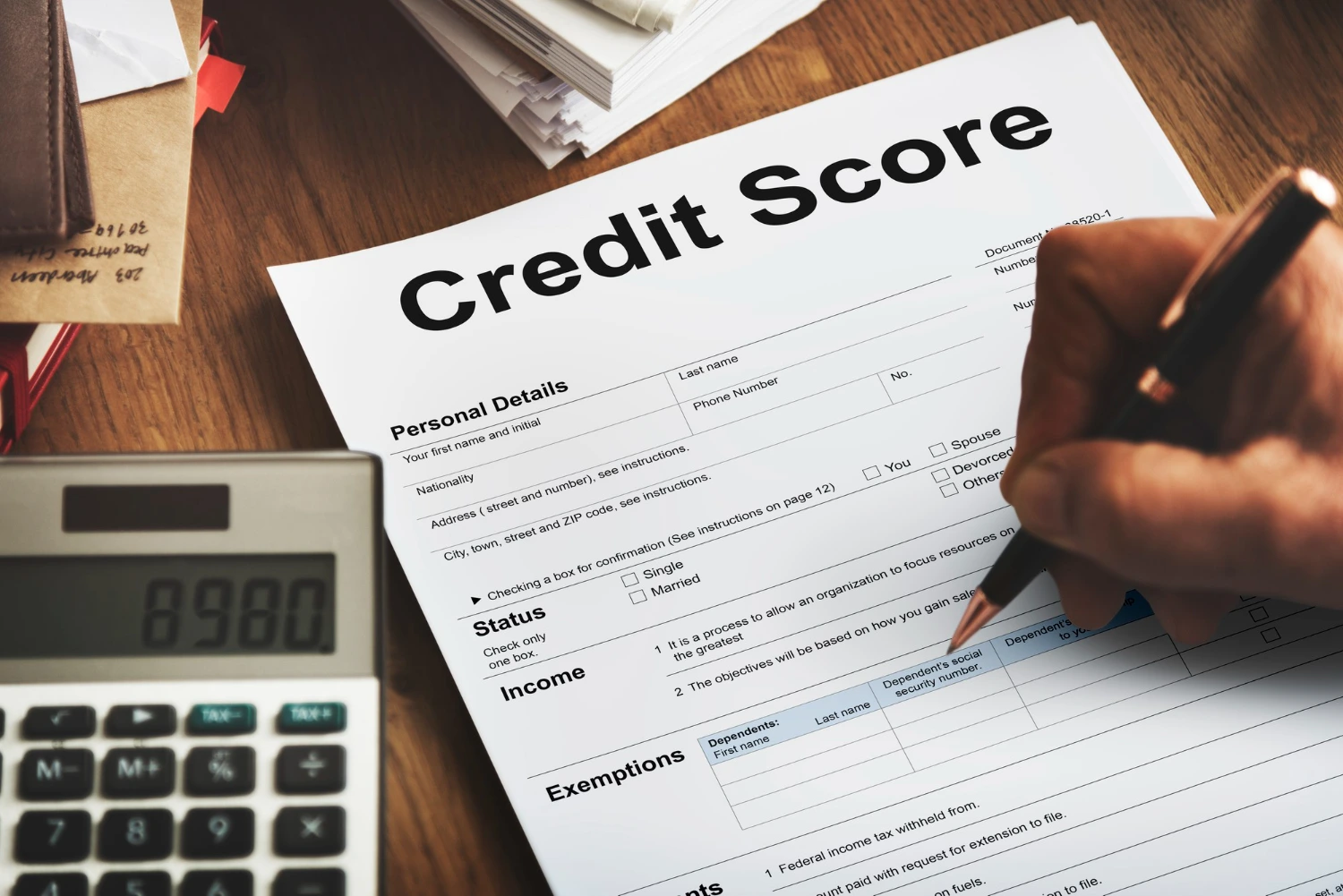
If you’ve ever been rejected for a loan, chances are you blamed one thing immediately: your credit score.
It feels logical. In countries like the U.S., credit scores drive almost every lending decision. But here in the Philippines, that’s not the full story. In fact, many borrowers searching for “loan rejection Philippines” or “why was my loan denied” are focusing on the wrong factor.
The truth is, most Philippine lenders—especially online lenders and fintech platforms—don’t rely heavily on traditional credit scores. Some don’t even use them at all.
So if it’s not your credit score, what actually caused your rejection?
Let’s break down what lenders really look at—and how you can turn a rejection into an approval.
Unlike more mature financial systems, the Philippines still has limited credit bureau coverage. While institutions like the Credit Information Corporation (CIC) exist, not all lenders pull or depend on this data.
Instead, lenders prioritize real-time, practical indicators of your ability to repay.
Why? Because:
This is especially true for online lending apps and quick cash loan providers. They are designed to assess risk quickly—sometimes in minutes—not through long credit reports, but through behavioral and financial signals.
Instead of relying on a single credit score, lenders evaluate multiple real-world signals. Here’s a simplified breakdown of what actually matters:
While this may seem like a lot, it actually works in your favor. Even if you don’t have a strong credit history, performing well in these areas can significantly improve your chances of approval.
Sometimes, it’s not a “maybe”—it’s an instant no.
Here are the most common automatic rejection triggers:
Applying to multiple lenders within a short time frame signals desperation and risk.
Mismatch in your ID, employment details, or income? That’s an immediate rejection.
If your number or identity is flagged due to unpaid loans or fraud history, approval becomes very difficult.
Requesting far beyond your income capacity raises red flags instantly.
If lenders can’t verify you through calls or messages, your application may be denied automatically.
Instead of obsessing over your credit score, focus on what actually works in the Philippine lending landscape:
Start small. Borrow within your income range to build trust with lenders.
Even freelancers can improve approval odds by showing steady cash flow through bank or e-wallet transactions.
Avoid applying to multiple lenders at once. Space out your applications strategically.
Ensure your details are accurate, complete, and consistent across all documents.
Stick to one active number and avoid using newly registered SIMs for loan applications.
Having an active, consistent online presence can help with identity verification.
Here’s something most people don’t realize:
Based on platform data, a significant percentage of users rejected by traditional banks are later approved by alternative lenders.
Why does this happen?
Because different lenders have different risk models.
This means a rejection from one lender doesn’t define your eligibility—it just means you weren’t the right fit for that lender.
Loan rejection can feel frustrating, especially when you don’t know what went wrong.
But in the Philippines, it’s rarely just about your credit score.
It’s about your income stability, financial behavior, digital footprint, and overall risk profile.
Once you understand what lenders are really looking for, you can take control of your applications—and significantly improve your chances of approval.
Not all lenders are the same—and that’s exactly why your next application could still get approved.
Find lenders that match your profile at LoanOnline.ph and avoid unnecessary rejections by applying smarter, not harder.
Some do, especially banks, but many online lenders rely more on alternative data like income, transaction history, and behavioral signals.
Yes. Some lenders accept alternative proof of income such as bank statements, e-wallet activity, or freelance payment records.
To verify your identity and ensure consistency with your application. It helps reduce fraud and confirm that you’re a legitimate borrower.


