
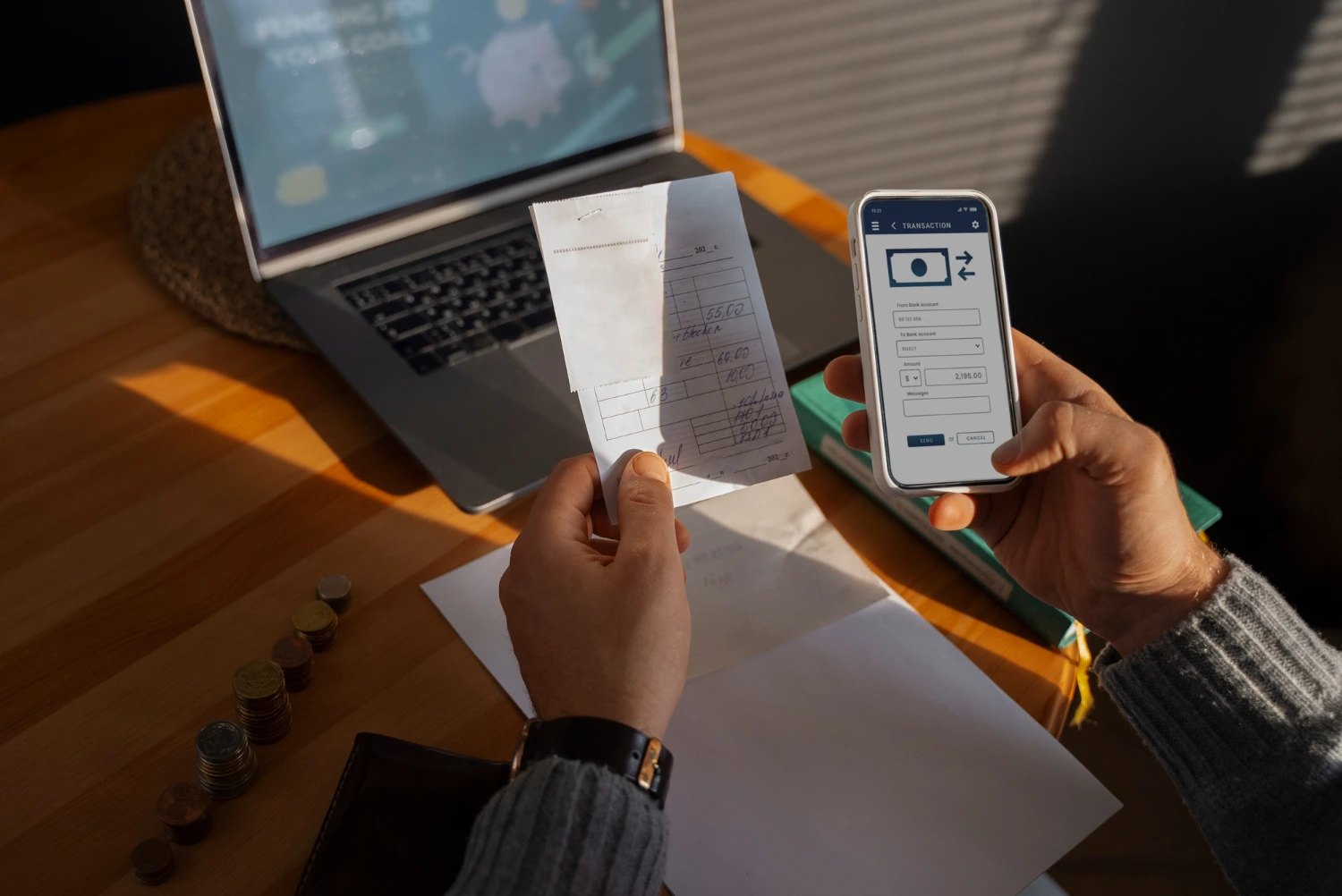
You downloaded an app for a quick ₱5,000 emergency loan. Three months later, you’re juggling five apps and ₱30,000 in debt.
This isn’t about willpower. It’s about design.
Modern loan apps are engineered to feel effortless, fast, and harmless. But behind that “convenience” is psychology—carefully crafted to bypass your rational thinking and trigger emotional decisions.
This article isn’t here to shame borrowers. It’s here to expose the game—so you can win it.
A traditional bank loan takes effort. You fill out forms. You wait in line. You return after a few days for approval.
Loan apps?
Download → Upload ID → Selfie → Cash in your wallet.
In 2025–2026, some apps advertise 4-minute disbursement. That speed feels empowering—but it removes something critical: pause points.
Friction protects you.
When friction disappears, impulse rises.
Loan apps are designed to reduce hesitation:
Each tiny design choice reduces cognitive resistance.
The easier it is, the less you reflect.
Loan apps don’t just lend money. They leverage behavioral economics.
Your brain prioritizes immediate relief over future pain.
“Get ₱5,000 in 5 minutes” feels urgent.
“Repay ₱6,500 in 14 days” feels distant and abstract.
Apps highlight speed in bold fonts. Interest rates? Small print.
Future consequences don’t feel real—until they are.
Humans hate losing more than they enjoy gaining.
Notifications like:
Even if you didn’t need it, now you feel like you’re losing something.
Scarcity triggers urgency. Urgency kills logic.
Suppose you only need ₱5,000.
The app suggests:
“Most users borrow ₱25,000.”
Suddenly ₱5,000 feels small.
That ₱25,000 becomes your psychological anchor. Your brain recalibrates upward.
You borrow more—not because you need it—but because it now feels reasonable.
Ever opened a loan app just to “check your limit”?
Sometimes:
That unpredictability mimics slot machines.
Check app → surprise reward → dopamine hit → repeat.
Over time, you’re not just borrowing money. You’re chasing a psychological reward.
Apps display counters:
“3,482 Filipinos borrowed today.”
Even if the number is real, it activates herd behavior.
If others are borrowing, it must be normal.
Scarcity banners like:
“Limited slots remaining!”
Now you’re not deciding based on need—you’re reacting to perceived demand.
“You’re a VIP borrower!”
“Maintain your platinum status!”
Rewards are tied to borrowing frequency—not repayment discipline.
If you’ve borrowed five times, stopping feels like “wasting progress.”
You continue—not because it’s wise—but because you’ve already started.
These manipulative design tactics are called dark patterns.
Easy to enter. Hard to exit.
Borrowing takes one tap.
Repayment details? Hidden in submenus.
When declining an offer, the button might say:
“I don’t want financial help.”
The app frames refusal as self-sabotage.
“Financial tips” articles inside the app are actually loan promotions.
Education becomes marketing.
“Allow contacts access for faster approval.”
It sounds optional—but refusal feels risky.
Granting access can enable harassment tactics later.
Right after you repay, a new offer appears:
“Borrow again instantly!”
There’s no cooling period. The cycle restarts immediately.
Red badges. Urgent sounds. Capitalized warnings.
Escalation pattern:
Friendly reminder → urgent notice → “We may contact references.”
Your body responds with stress hormones. Anxiety spikes.
And ironically? Borrowing again feels like relief.
Stress becomes the trigger. Borrowing becomes the escape.
Here’s how marketing language distorts perception:
0.5% daily interest sounds tiny.
But multiply it:
0.5% × 365 days = 182.5% annually
Compare that with a traditional bank personal loan:
15%–25% APR annually.
Daily percentages disguise true cost.
Small numbers feel safe. Annualized numbers reveal reality.
Before taking any loan, wait 24 hours.
During that time:
Urgency fades. Logic returns.
Visual friction reduces impulse.
Re-downloading adds friction—and friction protects you.
Impulse thrives in isolation. Comparison forces deliberation.
When you view multiple lenders side-by-side:
Platforms like LoanOnline remove gamification. No “VIP levels.” No streaks. No artificial scarcity.
Just data, side-by-side comparison, and clear cost visibility.
Slow down. See all costs upfront on LoanOnline.ph—no dark patterns, just facts.
If it feels manipulative, it probably is.
Why do apps keep increasing my limit?
Higher limits feel like achievement. It strengthens the borrowing habit.
Is it bad to check my limit regularly?
Yes. Variable reward loops trigger dopamine spikes.
Can apps contact my friends?
If you granted access, some unethical lenders may try—despite regulations.
Why do I feel anxious seeing the app icon?
Your brain associates it with stress. That’s conditioning.
Loan apps become risky not because borrowing is inherently wrong—but because many platforms are intentionally designed to encourage speed over reflection. Frictionless approvals, countdown timers, pre-filled higher amounts, and escalating notifications are not accidental features. They are behavioral triggers rooted in cognitive bias.
Once you understand these psychological levers, you interrupt the cycle. A 24-hour pause, recalculating the true APR, or simply stepping outside the app environment can restore rational decision-making. The goal isn’t to avoid borrowing altogether—it’s to borrow deliberately, with full visibility of cost and consequence.
That’s where using a neutral comparison platform like LoanOnline can help. Instead of being nudged by gamified dashboards or “VIP” statuses, you can review lenders side by side, examine transparent rates, and evaluate total repayment before committing. No urgency cues. No streak rewards. Just clear information.
Convenience should make life easier—not more expensive. The moment you slow down, compare properly, and calculate the real cost is the moment you take back control of your borrowing decisions.


