
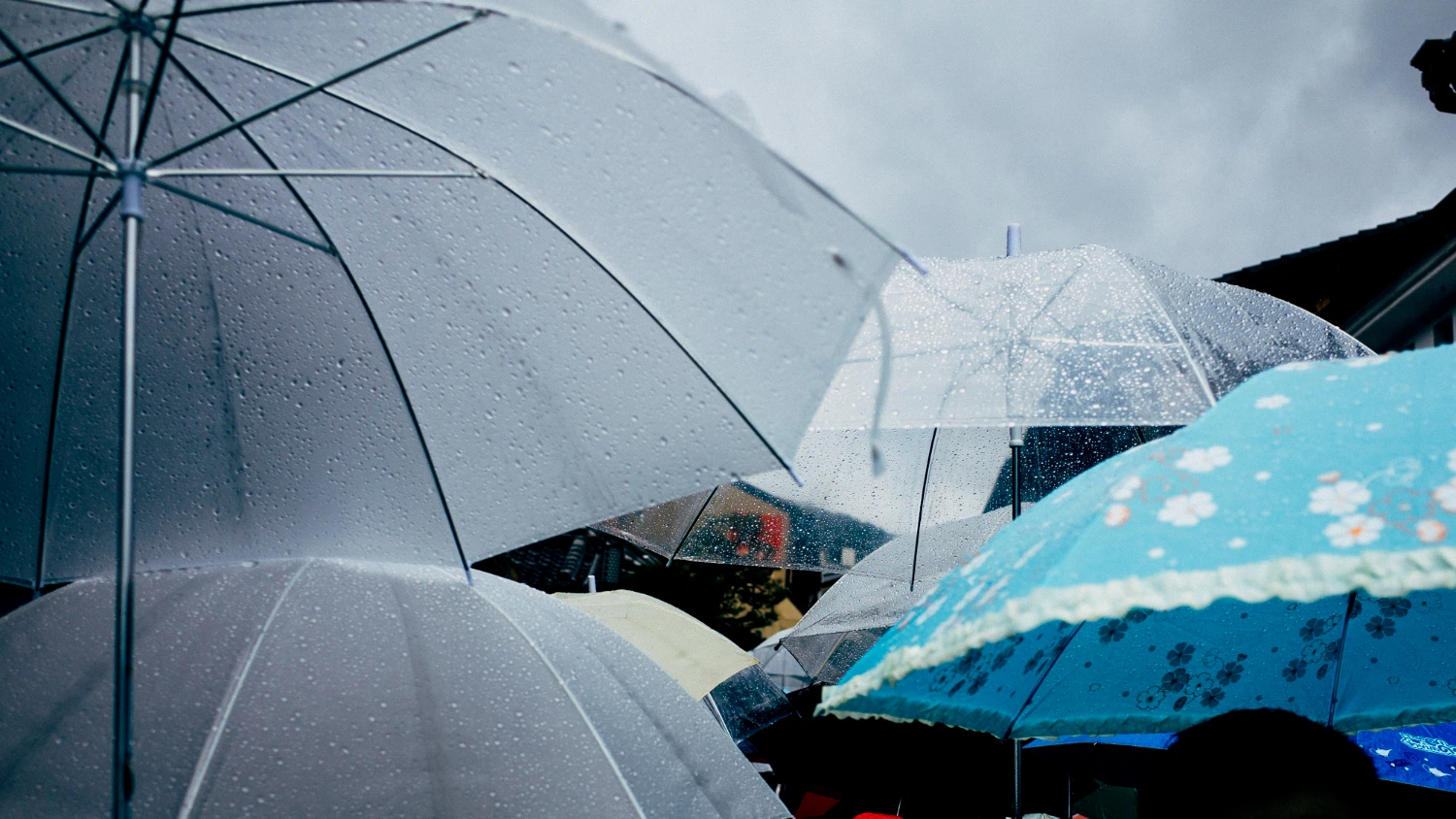
When Typhoon Odette swept across parts of the Visayas in December 2021, the first challenge many families faced wasn’t just clearing debris, it was finding the money to start rebuilding.
In several affected provinces, hardware stores quickly ran out of roofing sheets, plywood, and cement. Within a day or two, the materials that were still available were suddenly far more expensive. Some households were able to buy supplies immediately because they already had cash savings or an available credit line. Others had to wait for weeks until prices stabilized or assistance arrived.
Storms like Odette are not unusual in the Philippines. According to the Philippine Atmospheric, Geophysical and Astronomical Services Administration, the country sees around 20 tropical cyclones each year, with several making landfall and causing damage to homes, livelihoods, and local infrastructure. In recent years, stronger storms and heavier rainfall have made recovery even more difficult for many communities.
Because of this reality, financial preparation has quietly become part of disaster readiness. Many families think about emergency food, water, and flashlights, but access to funds can be just as important. When money is available quickly, households can repair roofs before further rain damage, evacuate safely if needed, or restock essential supplies without waiting for relief distribution.
This is where the idea of pre-positioning loans or credit comes in. Instead of trying to borrow money after a disaster, when lenders may tighten approvals and prices have already risen, some households arrange financing before the typhoon season begins.
In the sections ahead, we’ll explore why this strategy often makes financial sense, how storm risks vary across regions of the Philippines, and how a simple 72-hour emergency fund strategy can help families respond faster when severe weather arrives.
After a major typhoon, financial pressure on families often shows up almost immediately. Supplies run low, demand rises, and prices begin climbing, sometimes within just a few days.
Economists sometimes describe this pattern as a disaster price shock. In everyday terms, many Filipinos experience something closer to a “typhoon tax.” It’s the hidden cost of rebuilding when everyone in the same area needs the same materials and services at the same time.
Once infrastructure is damaged, supply chains slow down. Roads may be blocked, ports temporarily closed, and delivery trucks unable to reach certain towns. With fewer goods arriving but demand suddenly increasing, prices naturally rise.
Common price increases after strong typhoons include:
Even though price gouging laws exist, enforcement becomes difficult when communities are dealing with power outages, blocked roads, and communication disruptions.
The days after a storm usually follow a predictable pattern.
Hours 0–24:
Power outages affect ATMs and mobile networks. Many communities suddenly shift to a cash-only economy.
Days 2–7:
Hardware stores begin running out of roofing materials and tarpaulins. Fuel stations may temporarily close. In some places, residents start buying and storing supplies out of fear that they’ll disappear.
Weeks 2–4:
Relief goods arrive from local government units and aid groups. These typically cover food and drinking water, but not specialized repair materials.
After Typhoon Odette, residents in Cebu City described this exact situation. Families who had cash or available credit were able to purchase supplies from private vendors and start repairs quickly. Others had little choice but to wait for sporadic deliveries or government assistance.
In other words, speed of access to funds often determines speed of recovery.
Preparing financing before typhoon season offers several advantages. Some are financial, while others are surprisingly practical during stressful situations.
When borrowing happens during stable economic conditions, borrowers usually have more options and better negotiating power.
When families wait until after a disaster to look for funding, they often face higher interest rates and fewer choices.
Another option many households overlook is a pre-approved credit line.
With this arrangement:
This means families can maintain financial readiness without paying ongoing interest.
Another issue people often discover too late is that loan approvals slow down during disasters.
Financial institutions may take protective measures when a state of calamity is declared:
Without pre-approved financing, households may be forced to rely on informal borrowing or high-interest emergency lenders.
There’s also a mental benefit that people rarely talk about.
When a typhoon warning appears on the news, families who already have financial preparation in place can focus on safety, evacuation planning, and protecting their homes—not scrambling to find money.
In some communities, prepared households are even able to help neighbors or relatives, which strengthens local resilience during disasters.
Disaster-ready financing isn’t just about rebuilding after a storm. In many cases, it supports preparation, prevention, evacuation, and recovery.
Small upgrades made before typhoon season can significantly reduce potential damage.
Common improvements include:
For many homeowners, these upgrades cost far less than major repairs after a storm.
Many preparedness experts recommend keeping two to four weeks of emergency supplies at home.
Typical costs include:
These supplies can make a significant difference if roads remain blocked for several days.
Sometimes the safest option is leaving the storm path entirely.
Evacuation expenses may include:
Having funds ready allows families to evacuate earlier and more safely, rather than waiting until conditions worsen.
After the storm passes, immediate repairs help prevent further structural damage.
Common early recovery costs include:
Quick access to funds can help households restore income and stability faster.
Storm exposure varies significantly depending on where you live.
Areas around Bicol Region sit directly along the typical typhoon entry path.
Typical exposure: 5–8 typhoons annually
Recommended credit preparation: ₱50,000–₱100,000
Major risk factor: storm surge and coastal flooding
Cities such as Marikina, Malabon, and Valenzuela often experience severe flooding during strong monsoon rains and typhoons.
Recommended preparation: ₱30,000–₱50,000 credit line plus flood insurance
Key risk: transportation shutdowns that temporarily isolate communities.
Provinces including Leyte, Samar, Cebu City, and Bohol regularly experience direct typhoon impacts.
Recommended preparation: ₱40,000–₱80,000
Key challenge: island isolation, which can delay the arrival of aid and supplies.
Historically, Mindanao experienced fewer typhoons than the northern islands. However, recent storms show changing patterns.
Cities like Davao City and Cagayan de Oro are seeing stronger rainfall events and occasional typhoon impacts.
Recommended preparation: ₱20,000–₱40,000
One challenge is that many communities are still adjusting to this increasing risk.
One simple preparedness approach is the 72-hour disaster fund strategy.
The idea is to ensure that households have immediate access to funds during the first three days after a storm, when shortages and uncertainty are often at their highest.
Some Filipino households combine multiple financial tools, including:
Many preparedness planners recommend three layers of financial access:
Cash at home + digital wallets like GCash + a pre-approved credit line.
This combination helps ensure funds remain accessible even if ATMs or internet services are temporarily unavailable.
Insurance helps cover major losses after disasters, but it rarely provides instant financial support.
Most policies include:
A short-term loan can bridge the gap between damage and reimbursement.
For example:
That leaves ₱15,000 out-of-pocket.
A short-term loan can cover that amount while waiting for the insurance payout, which often arrives within 30–45 days. In many cases, the interest cost might only be a few hundred pesos—far less stressful than dealing with repairs without available funds.
Keeping photo documentation of household items before a disaster and saving receipts afterward can also help speed up insurance claims.
Preparing financially for disasters may feel uncomfortable at first, but in a country regularly exposed to typhoons, it’s increasingly part of practical household planning.
When families arrange emergency credit before storm season, they reduce the risk of price shocks, delayed repairs, and financial stress during recovery. They’re also better positioned to respond quickly, whether that means reinforcing a damaged roof, evacuating safely, or restarting a small home business.
Prepared households ultimately strengthen their communities as well. When individuals can manage their own recovery, relief efforts can focus on the most vulnerable families.
If you live in a typhoon-prone region, the best time to secure financing isn’t after the storm warning, it’s before the next system appears on the radar. Platforms like LoanOnline.ph make it easier to compare lenders and secure pre-approved credit so that when severe weather arrives, your financial recovery plan is already in place.


