
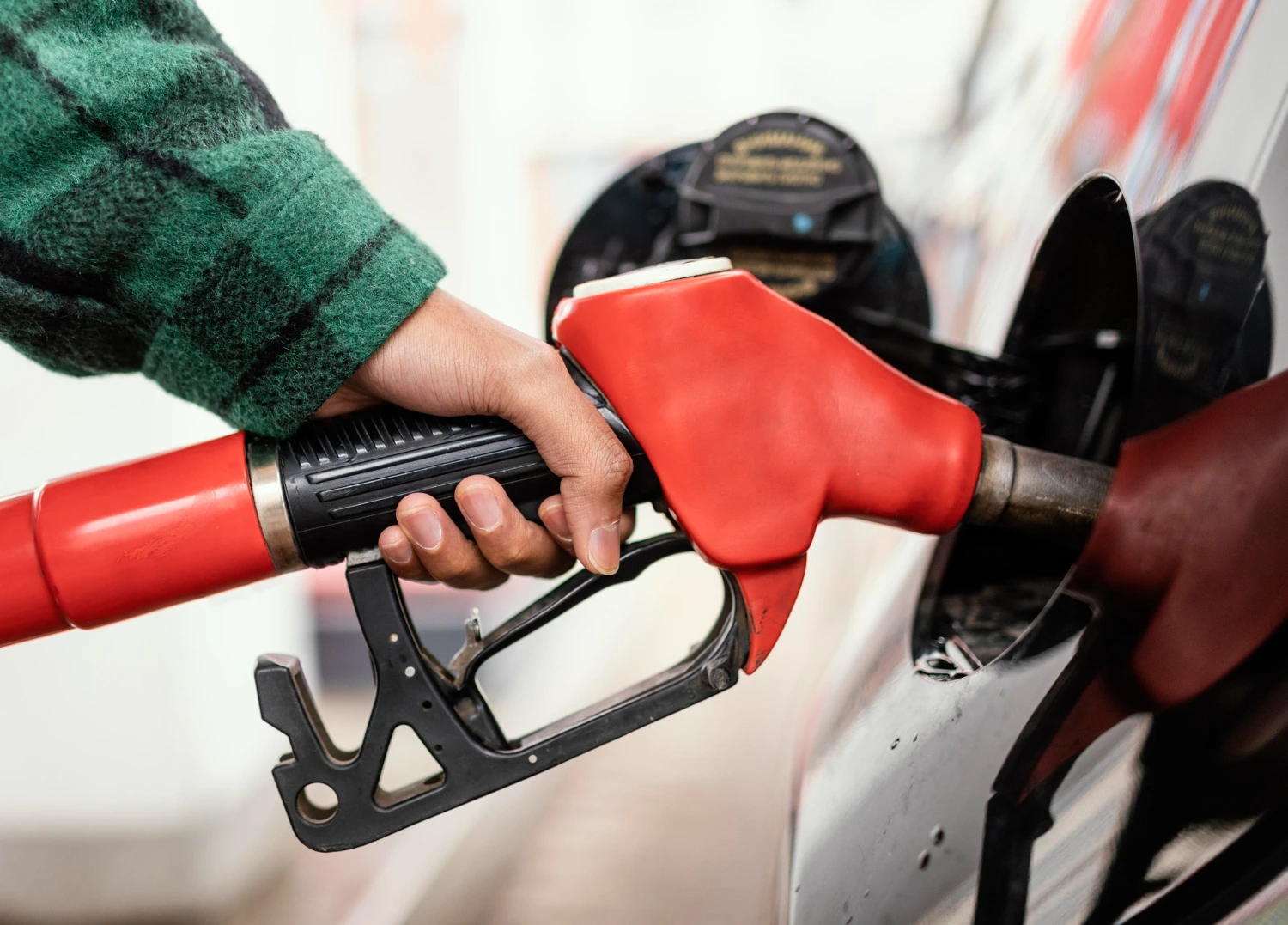
If you drive in the Philippines, you probably know the message well. Every Monday or Tuesday evening, the announcement appears: “Gas prices up ₱1.50 per liter tomorrow.”
For many commuters, that simple update can instantly change the week’s budget. A higher pump price means spending hundreds—or sometimes thousands—of pesos more each month just to keep moving.
For some Filipino workers, the situation becomes even tougher. When the tank runs empty and payday is still days away, the only option may feel like borrowing. Small cash loans or payday advances sometimes end up covering what should have been a routine fuel expense.
This situation is more common than people realize. A sudden fuel price hike can push drivers, delivery riders, and even office workers into borrowing simply to continue their daily commute.
But there’s a practical solution that many people overlook: a fuel-dedicated emergency fund.
Unlike general savings, a gasoline emergency fund is designed for one purpose—to protect your commute when fuel prices spike or income temporarily falls short. With the right strategy, building a three-month fuel buffer can help prevent future borrowing and keep your finances steady even during price hikes.
Transportation is one of the few expenses most people cannot avoid. You can postpone buying new clothes or skip a weekend outing, but getting to work, delivering goods, or transporting family members still needs to happen.
That’s why fuel costs can create sudden financial pressure.
In recent years, the Philippines has experienced frequent fuel price volatility, with periods where pump prices increased for several consecutive weeks. Even small increases—₱1 to ₱2 per liter—add up quickly when multiplied across multiple fill-ups each month.
Global factors also play a role. Oil prices are heavily influenced by geopolitical tensions and supply disruptions. As an oil-importing country, the Philippines remains vulnerable to fluctuations in the international market.
For commuters who rely on motorcycles, cars, or ride-hailing work, this means a simple pattern often repeats:
Price increase → higher fuel expense → temporary borrowing → interest payments → even less money for future fuel.
Over time, borrowing to cover fuel costs can slowly turn a temporary cash shortage into a recurring financial cycle.
Creating a dedicated fuel emergency fund helps break that pattern.
A gasoline emergency fund works best when you have a clear savings target. The goal is to store enough money to cover three months of fuel costs.
A simple formula can help you estimate your target amount:
Weekly fuel cost × 4.3 weeks × 3 months
Here are a few examples based on common commuting situations.
For drivers who combine jeepneys, buses, and ride-hailing services, it’s still helpful to calculate your monthly commuting cost, including fare increases and occasional surge pricing.
Fuel prices and transportation costs change frequently, so it’s wise to recalculate your target every six months. The goal is not perfection but creating a cushion that protects your daily mobility.
Fuel volatility is not a new issue, but recent global conditions have made it more unpredictable.
International oil prices have remained elevated in recent years, often hovering around levels that directly impact local pump prices. For countries that import oil—like the Philippines—this means domestic fuel prices respond quickly to global market shifts.
Government programs have occasionally provided subsidies to support public transportation operators, but these programs do not typically cover private vehicle owners or commuters who rely on motorcycles.
Meanwhile, discussions about alternative work arrangements—such as remote work or flexible schedules—have highlighted how transportation costs remain one of the biggest daily expenses for Filipino workers.
Another factor is currency movement. When the Philippine peso weakens against the U.S. dollar, imported fuel becomes even more expensive.
All these elements combined make it clear that fuel price volatility is likely to continue, which makes a gasoline emergency fund increasingly useful.
Creating a three-month fuel buffer may sound overwhelming at first, but small consistent steps can make it achievable.
Here are practical strategies that many commuters use.
Every time you fill your tank, aim to save a small portion of that expense.
If you spend around ₱2,500 per fill-up and manage to reduce fuel consumption slightly through better driving or loyalty discounts, you might save around 5%.
These small amounts add up surprisingly fast over several months.
Digital banking tools can automate micro-savings.
Apps like Maya, GCash, and digital banks such as Tonik Digital Bank allow users to automatically save small amounts from transactions.
Saving just ₱20–₱50 per purchase can quietly build your fund in the background.
Some drivers dedicate a few weekend hours to ride-hailing or delivery work to fund their weekday fuel expenses. Even one or two extra shifts per month can significantly accelerate fund growth.
Windfalls such as a 13th-month bonus or tax refund can provide a quick jumpstart. Setting aside one month of fuel expenses immediately can reduce the time needed to reach your three-month target.
You don’t need to reach the full amount immediately.
Month 1 goal: one month of fuel buffer
Month 2 goal: two months
Month 3 goal: full three-month buffer
This incremental approach makes the target more manageable.
Your fuel emergency fund should remain safe, accessible, and separate from daily spending money.
Several financial options in the Philippines provide a balance between accessibility and modest interest earnings.
Digital banks such as UnionDigital Bank and CIMB Bank Philippines have become popular because they offer competitive savings rates while remaining accessible through mobile apps.
The most important rule is liquidity. Your fund should be accessible within 24 hours, since fuel emergencies often require immediate access to cash.
Another useful strategy is keeping the fund in a separate account from everyday spending, which reduces the temptation to use it for unrelated purchases.
Like any emergency savings, your gasoline fund should have clear usage rules.
Appropriate situations include:
• Sudden pump price increases of ₱2 or more per liter
• Temporary income disruptions such as delayed salary
• Urgent financial situations affecting your commuting budget
Situations where the fund should not be used include:
• Routine weekly fuel purchases
• Convenience spending or unnecessary trips
• Non-transportation expenses
A good rule of thumb is to replenish any withdrawal within 30 days.
If the fund becomes depleted and transportation costs still cannot be covered, only then should borrowing become a consideration.
The financial difference between saving and borrowing for fuel can be surprisingly large.
Consider this simple comparison.
Beyond the interest itself, borrowing also introduces additional stress and possible credit impact.
Over a year, a fuel emergency fund may prevent two or three small loans, saving both money and peace of mind.
Perhaps the biggest benefit is psychological. When the next price hike announcement arrives, instead of panic, you’ll know that your commute is already covered.
A gasoline emergency fund may seem like a simple idea, but its impact can be powerful. By setting aside a dedicated buffer for fuel expenses, you reduce the risk of needing short-term loans whenever pump prices rise.
In many ways, this fund acts as loan prevention in disguise.
At LoanOnline, the goal is not just helping Filipinos borrow—it’s helping them make smarter financial decisions that reduce unnecessary debt. Sometimes the best loan strategy is avoiding the need for one in the first place.
Starting your gasoline emergency fund does not require a large amount. Even saving ₱500 per month can gradually build a buffer that protects your commute from sudden price shocks.
Fuel prices will always change, but your financial stability doesn’t have to.
The best time to start building your fuel safety net may have been last month. The second-best time is today.


